
Exploring the World of Abstract Art Styles
When I first encountered abstract art, I was both intrigued and puzzled. The colors, shapes, and forms seemed to speak a language without words. Over time, I discovered that abstract art styles offer a unique way to express emotions, ideas, and perspectives beyond the literal. Whether you are a seasoned collector or just starting to explore, understanding these styles can deepen your appreciation and inspire your own creativity.
Discovering Different Abstract Art Styles
Abstract art is not a single style but a broad category that includes many different approaches. Each style has its own characteristics, techniques, and history. Here are some of the most popular abstract art styles you might encounter:
Cubism: Developed by Picasso and Braque, cubism breaks objects into geometric shapes and presents multiple viewpoints simultaneously. It challenges traditional perspectives and invites viewers to see the subject in a new way.
Expressionism: This style emphasizes emotional experience over physical reality. Bold colors, distorted forms, and dynamic brushstrokes convey intense feelings.
Minimalism: Minimalist abstract art strips down to the essentials. It uses simple shapes, limited color palettes, and clean lines to create a sense of calm and clarity.
Abstract Expressionism: Originating in the mid-20th century, this style focuses on spontaneous, automatic, or subconscious creation. Artists like Jackson Pollock used techniques such as dripping and splattering paint.
Geometric Abstraction: This style uses precise shapes and patterns, often with a mathematical or architectural feel. It’s about order, balance, and harmony.
Each style offers a different way to engage with art. You might find yourself drawn to the emotional intensity of expressionism or the serene simplicity of minimalism. Exploring these styles helps you understand the diversity and richness of abstract art.

What is the Golden Rule in Abstract Art?
One question I often ask myself when looking at abstract art is: what makes a piece successful? While there is no single answer, many artists and critics agree on a "golden rule" that guides abstract art creation and appreciation.
The golden rule is balance. Balance in abstract art means achieving harmony between colors, shapes, textures, and space. It doesn’t mean everything has to be symmetrical or evenly distributed. Instead, it’s about creating a visual rhythm that feels right to the eye and evokes a response.
For example, a painting with bold, dark shapes on one side might be balanced by lighter, more delicate forms on the other. Negative space can be just as important as the painted areas. The interplay between chaos and order, tension and release, is what makes abstract art compelling.
When you look at an abstract piece, try to notice how the elements interact. Does the composition feel stable or dynamic? Are the colors working together or clashing? This awareness can deepen your connection to the artwork and enhance your ability to choose pieces that resonate with you.
How to Choose Abstract Art for Your Space
Choosing abstract art for your home or office can be exciting but also overwhelming. Here are some practical tips I’ve learned that can help you make confident decisions:
Consider the mood you want to create
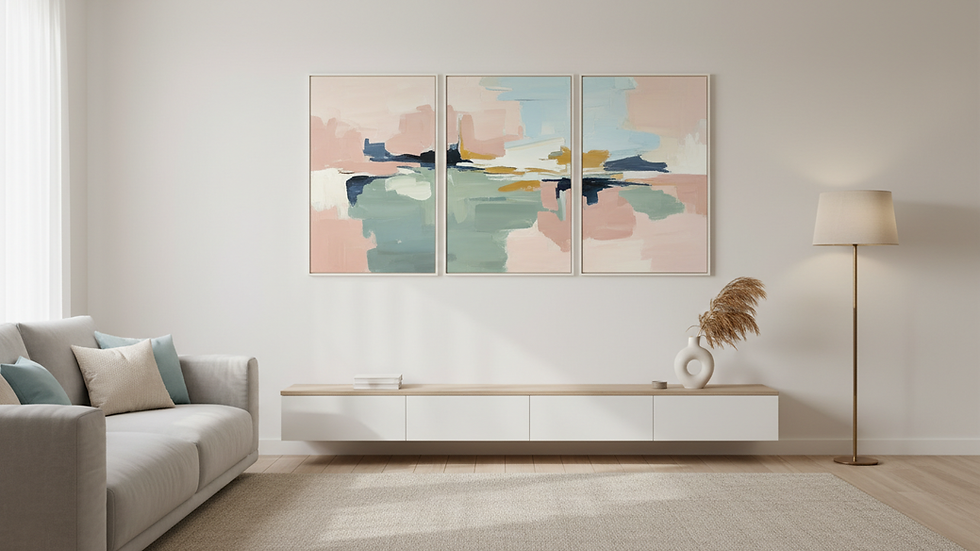
Abstract art can influence the atmosphere of a room. Warm colors and energetic shapes can make a space feel lively and inviting. Cool tones and soft forms might create a calm, contemplative environment.
Match the scale to your space
Large abstract paintings can become a focal point in a room, while smaller pieces work well in clusters or as accents. Think about the wall size and furniture arrangement.
Think about your personal taste
Don’t feel pressured to follow trends. Choose pieces that speak to you emotionally or intellectually. Your connection to the art is what matters most.
Mix styles and mediums
Abstract art comes in many forms: paintings, prints, sculptures, textiles. Combining different styles and materials can add depth and interest to your collection.
Use lighting to enhance the art
Proper lighting can highlight textures and colors, making the artwork more vibrant and engaging.
If you want to explore more, visiting galleries, art fairs, or online platforms can expose you to a wide range of abstract art styles and artists. Don’t hesitate to ask questions or request information about the pieces that catch your eye.

Why Abstract Wall Art Resonates with So Many
There is something universally appealing about abstract art. It transcends language and culture, allowing each viewer to interpret it in their own way. I find that abstract wall art invites imagination and personal reflection.
Unlike representational art, which depicts recognizable subjects, abstract art encourages us to focus on feelings, moods, and ideas. It can be playful, mysterious, or thought-provoking. This openness makes it accessible to a wide audience.
Moreover, abstract art often reflects the artist’s inner world. It can be a visual diary of emotions, memories, or dreams. When you bring abstract art into your space, you invite a story that is both unique and shared.
If you want to explore this further, consider browsing collections of abstract wall art online. You might discover pieces that resonate with your own experiences or inspire new ways of seeing the world.
Tips for Caring for Your Abstract Art Collection
Once you start collecting abstract art, it’s important to care for your pieces properly. Here are some simple but effective tips:
Avoid direct sunlight: Prolonged exposure can fade colors and damage materials.
Control humidity and temperature: Extreme conditions can cause warping or cracking.
Use proper framing: Frames protect the artwork and enhance its presentation. Consider UV-protective glass for paintings.
Clean gently: Dust with a soft, dry cloth. Avoid harsh chemicals or water.
Handle with care: Always support the artwork from underneath when moving it.
By maintaining your collection well, you ensure that your abstract art remains vibrant and beautiful for years to come.
Embracing the Journey of Abstract Art
Exploring abstract art styles is a journey filled with discovery and inspiration. Whether you are drawn to bold colors, subtle textures, or dynamic forms, there is a world of creativity waiting to be explored.
Remember, abstract art is not about finding the "right" answer but about experiencing and interpreting. It challenges us to look beyond the obvious and connect with deeper layers of meaning.
So why not start your own adventure today? Visit a gallery, try creating your own abstract piece, or simply spend time observing and reflecting. The world of abstract art is vast, inviting, and endlessly rewarding.
Happy exploring!


Comments